I’ve finally made a start on scanning a fascinating collection of photos and documents which were once displayed in the Derbyshire Bridge Rangers’ hut. Here’s the first batch…
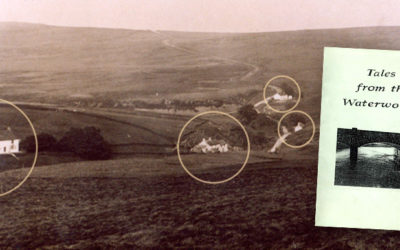

I’ve finally made a start on scanning a fascinating collection of photos and documents which were once displayed in the Derbyshire Bridge Rangers’ hut. Here’s the first batch…
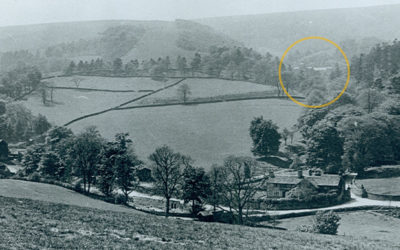
In part two of Crichton Porteous’s ‘Goyt Recollections’, he writes about Errwood Hall, the hill-top graveyard and the coal mine. He also talks to an old estate worker about the Grimshawe sisters.
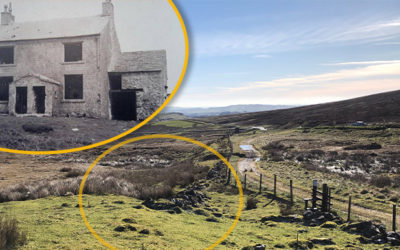
A photo of a derelict building known as Boothman’s Cottages recently came to light. There’s nothing left of it today. Was it connected to coal mining, or simply a stop-off point for weary travellers?
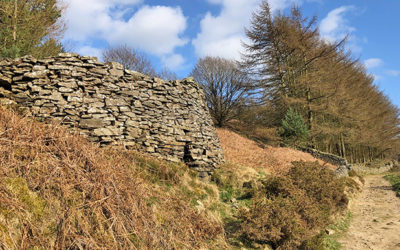
It’s easy to miss this lime kiln, near the southern tip of Errwood Reservoir. Coal from a nearby pit fired the kiln, reducing limestone to lime, which was used both as a fertiliser and to make mortar.
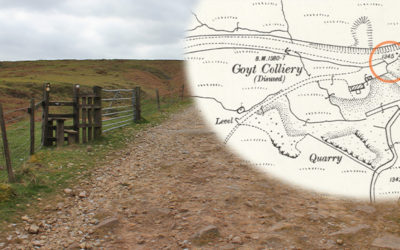
An old OS map reveals a wealth of fascinating detail on what was once a busy colliery on the outskirts of Buxton, where coal was unloaded from tunnels extending as far as Goyt’s Moss, over a mile away.
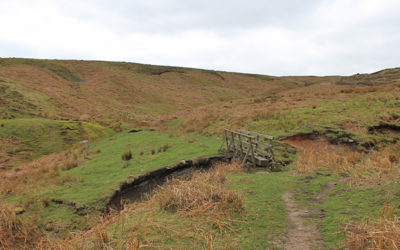
It’s hard to believe today but this quiet spot, beside the Old Macclesfield Road just outside Burbage, was once a busy colliery where coal was unloaded from small boats onto railway wagons.
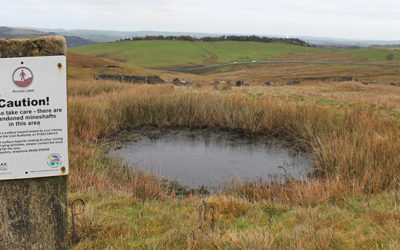
A 1997 archeological survey traced the history of coal mining at Goyt’s Moss, from surface workings dating back to the early 1700s to deeper shafts using horses to winch coal up from the seam.
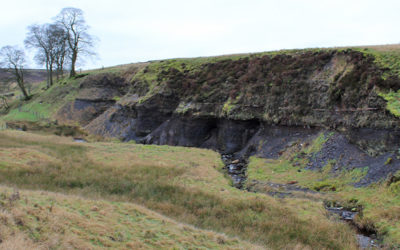
Close to the source of the River Goyt, Goyt’s Moss was once the centre of a coal mining industry which fed the Duke of Devonshire’s lime kilns on the slopes above Buxton. It’s a fascinating story…
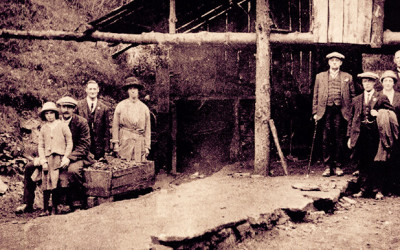
Old OS maps show a ‘Coal Pit’ between Errwood Hall and Castedge Farmhouse. The entrance to the mine has long since been blocked and is now covered by thick undergrowth.